








الأرجون (Ar)
- High purity liquid Argon, 99.999%(5N), 99.9999%(6N) and above
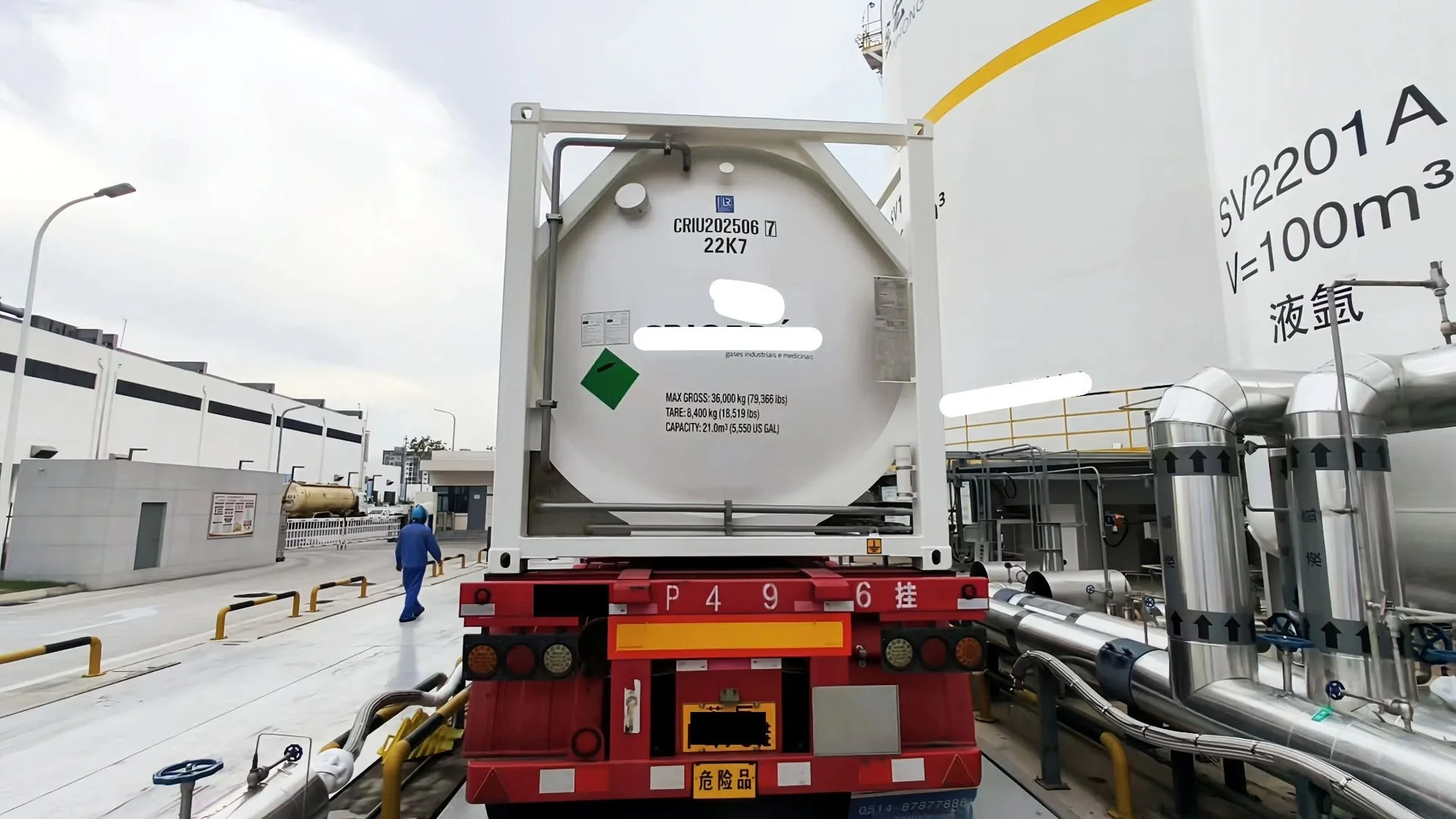
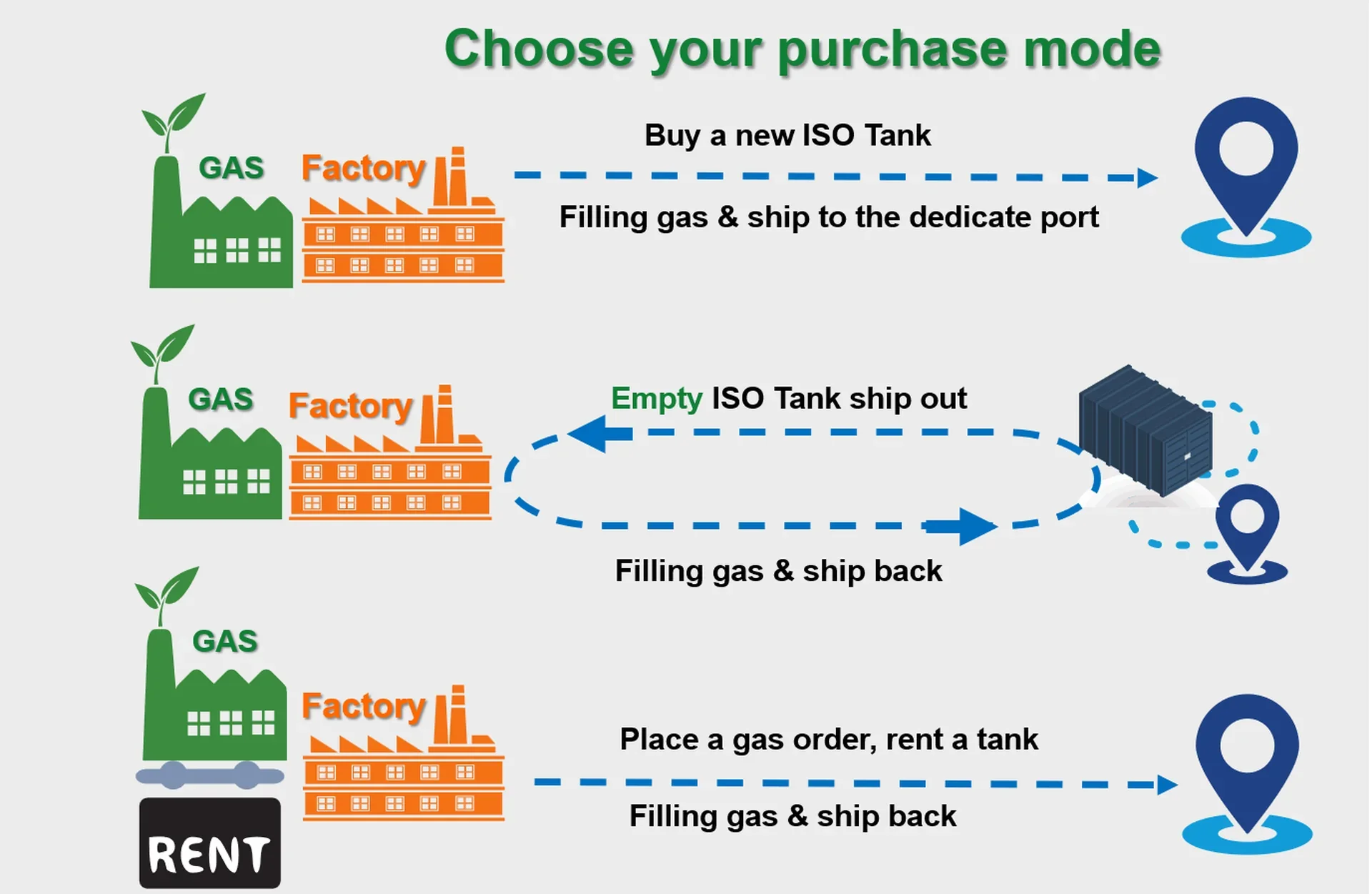
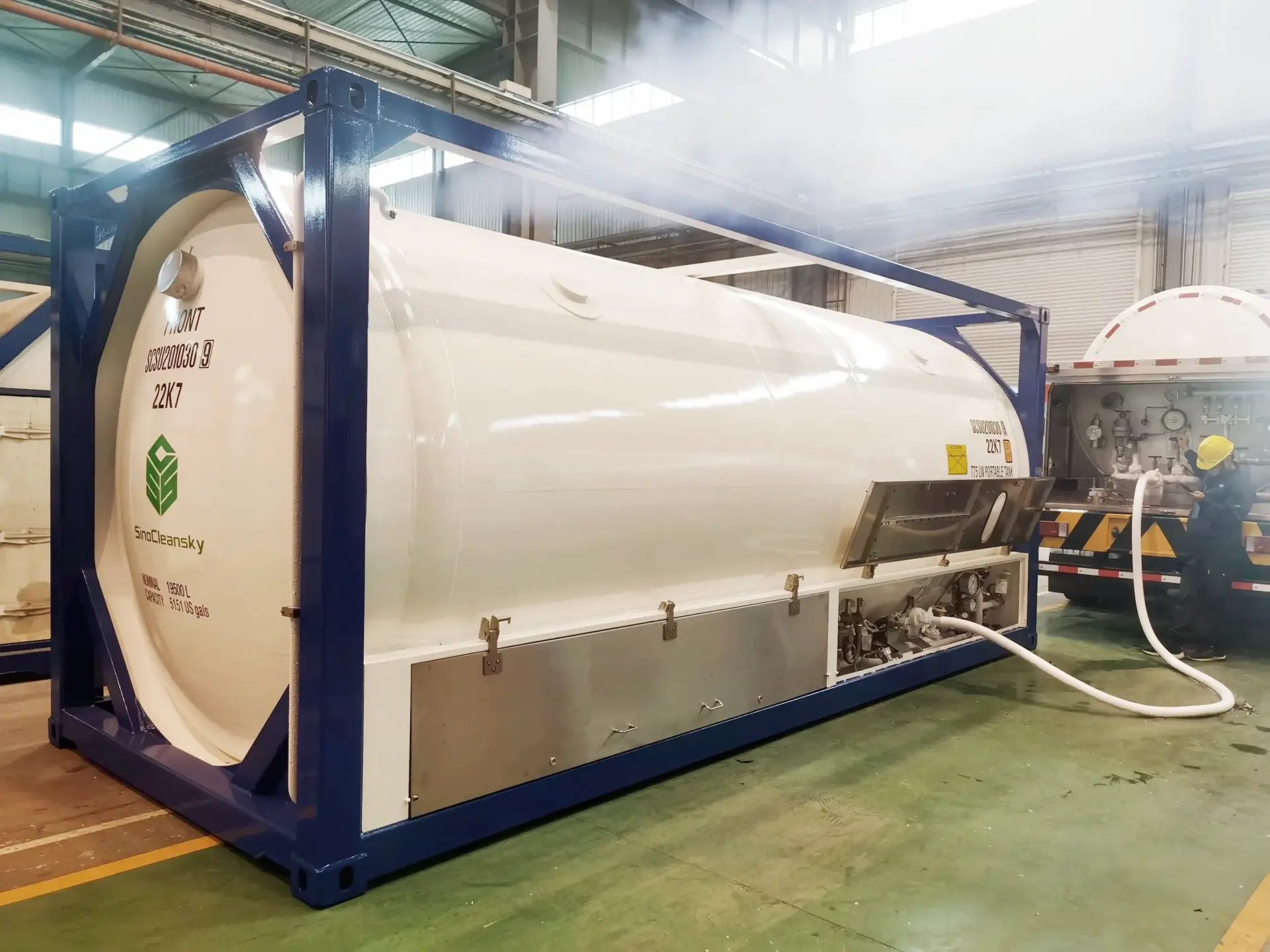
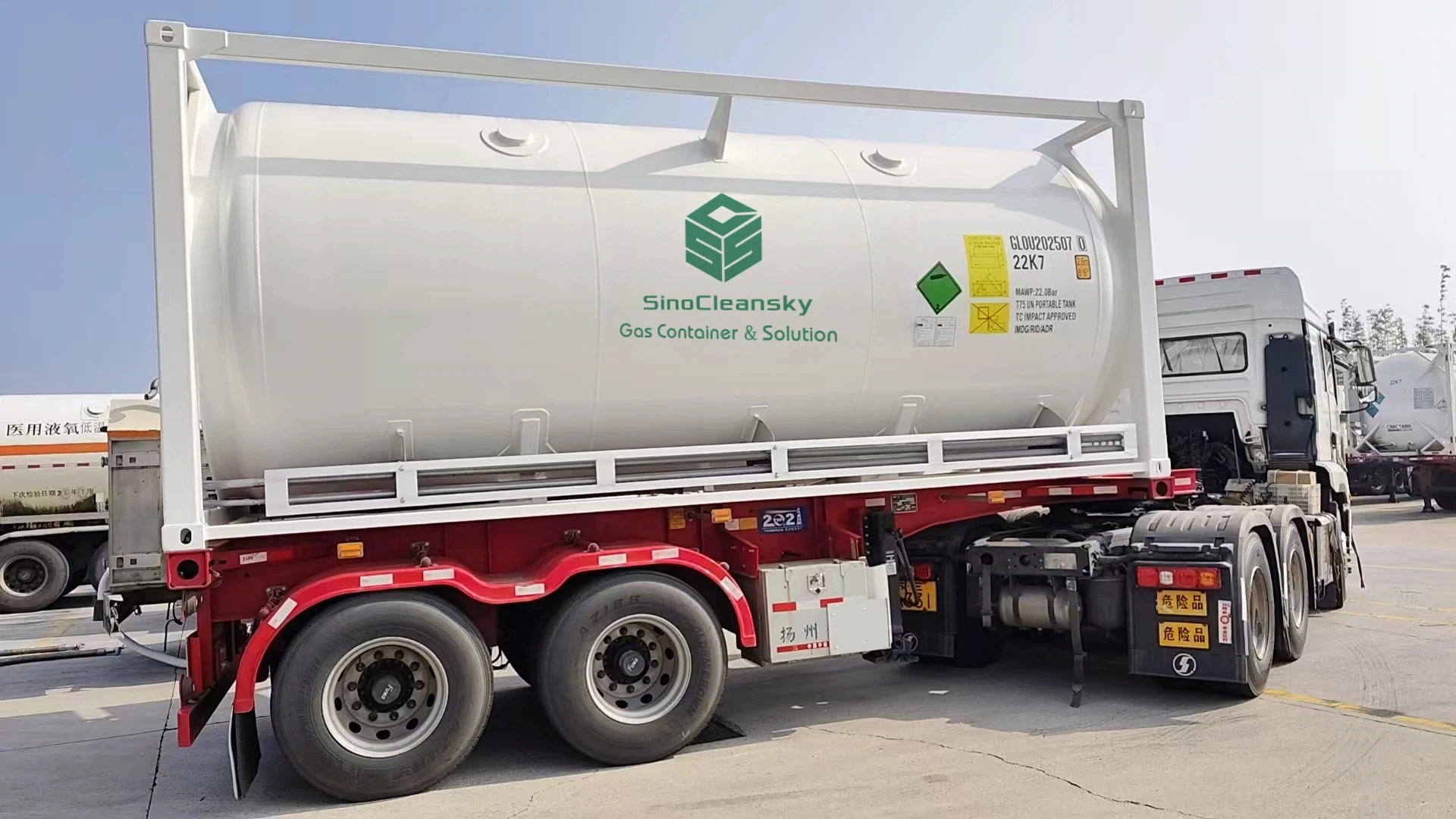
- Gas pre-filling, we packaged Argon and ISO Tank container together, deliver to the destination port
- Extremely low evaporation rate, zero loss
- Reliable quality and transportation, “Ready-to-use” upon arrival
الوصف
الأرجون (Ar) هو غاز خامل عديم اللون والرائحة وغير سام. وفي ظل درجات الحرارة والضغط العادية، تتميز خصائصه الكيميائية بالاستقرار الشديد، ونادرًا ما يتفاعل مع المواد الأخرى.
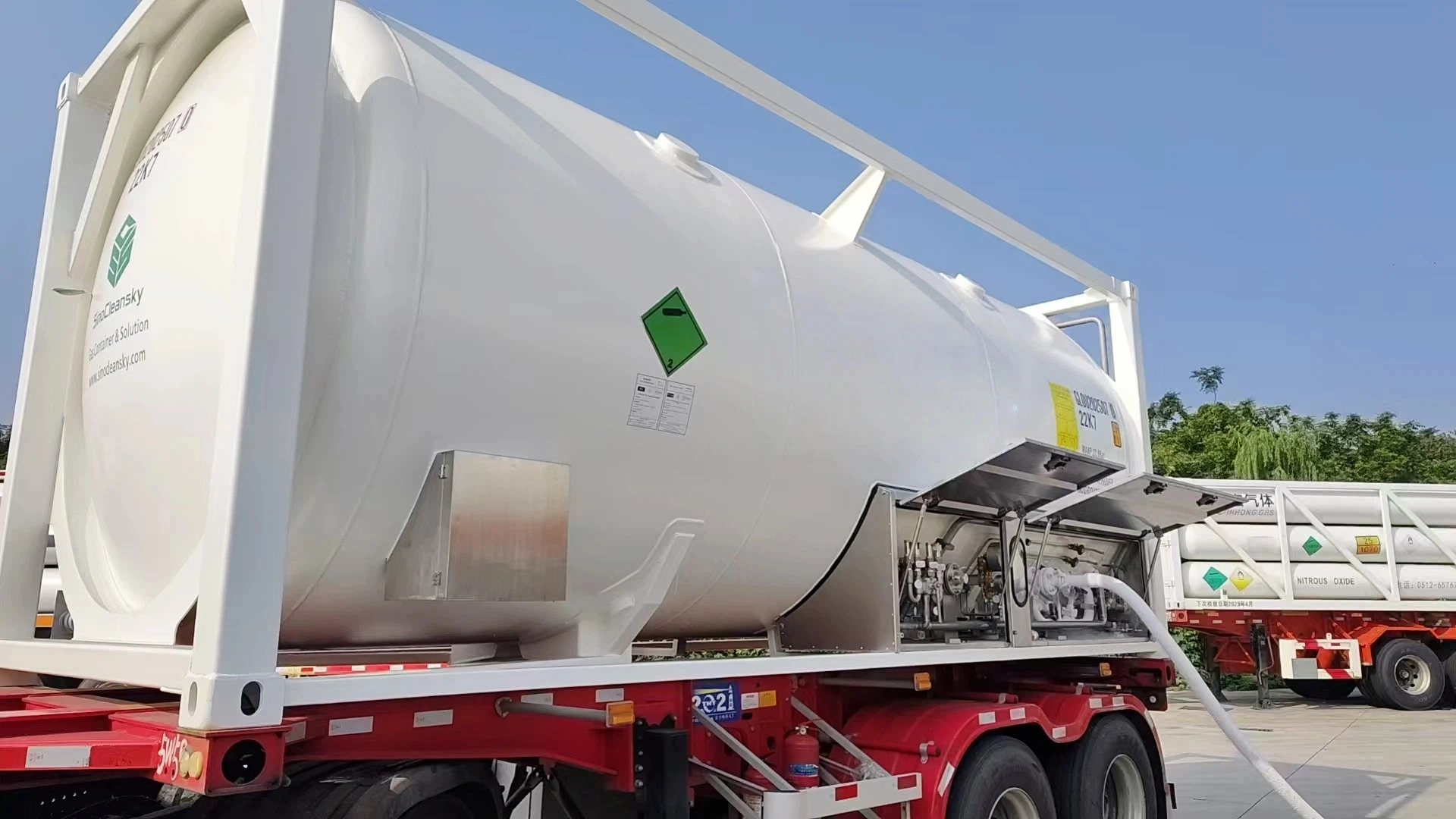
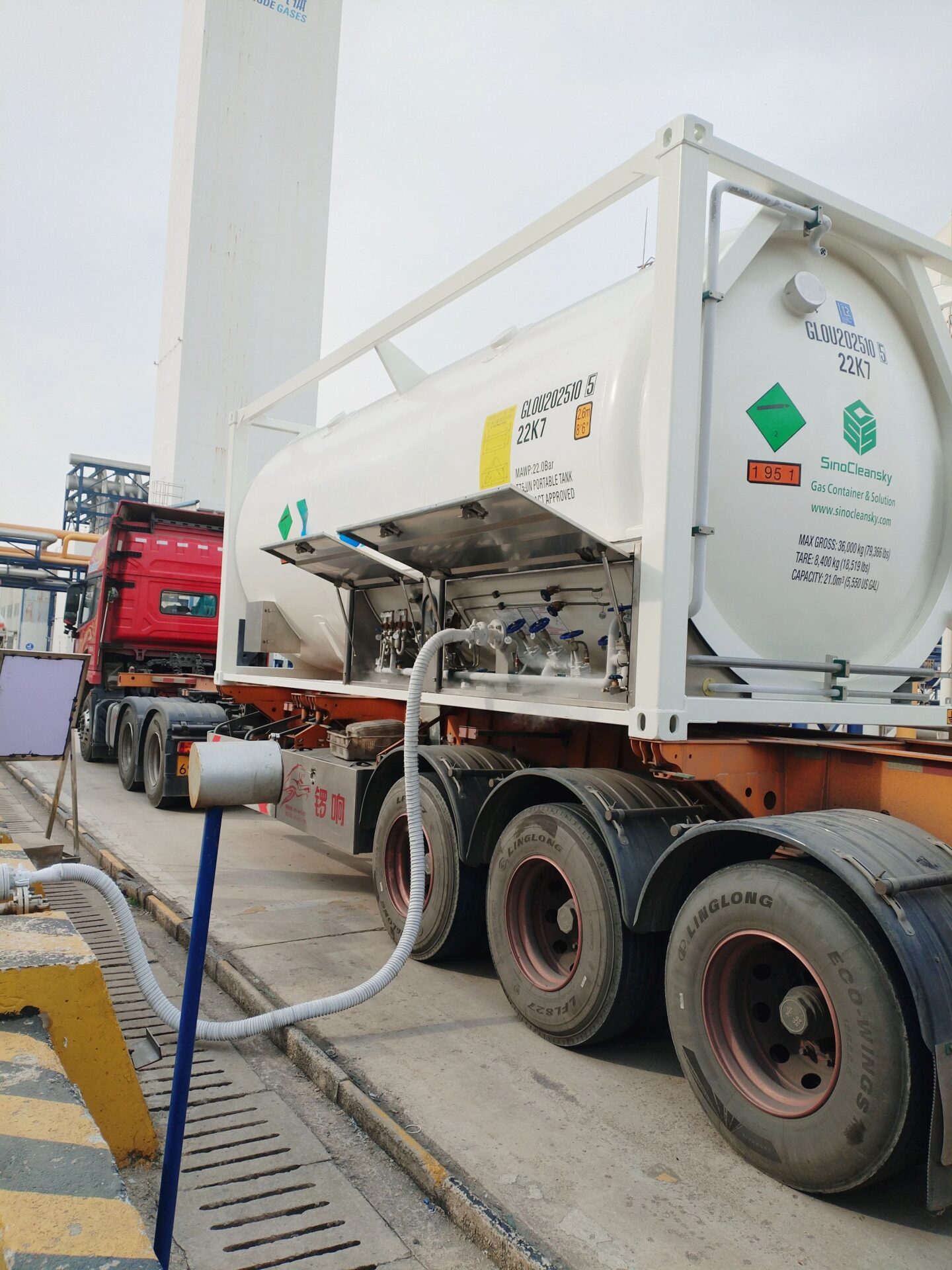
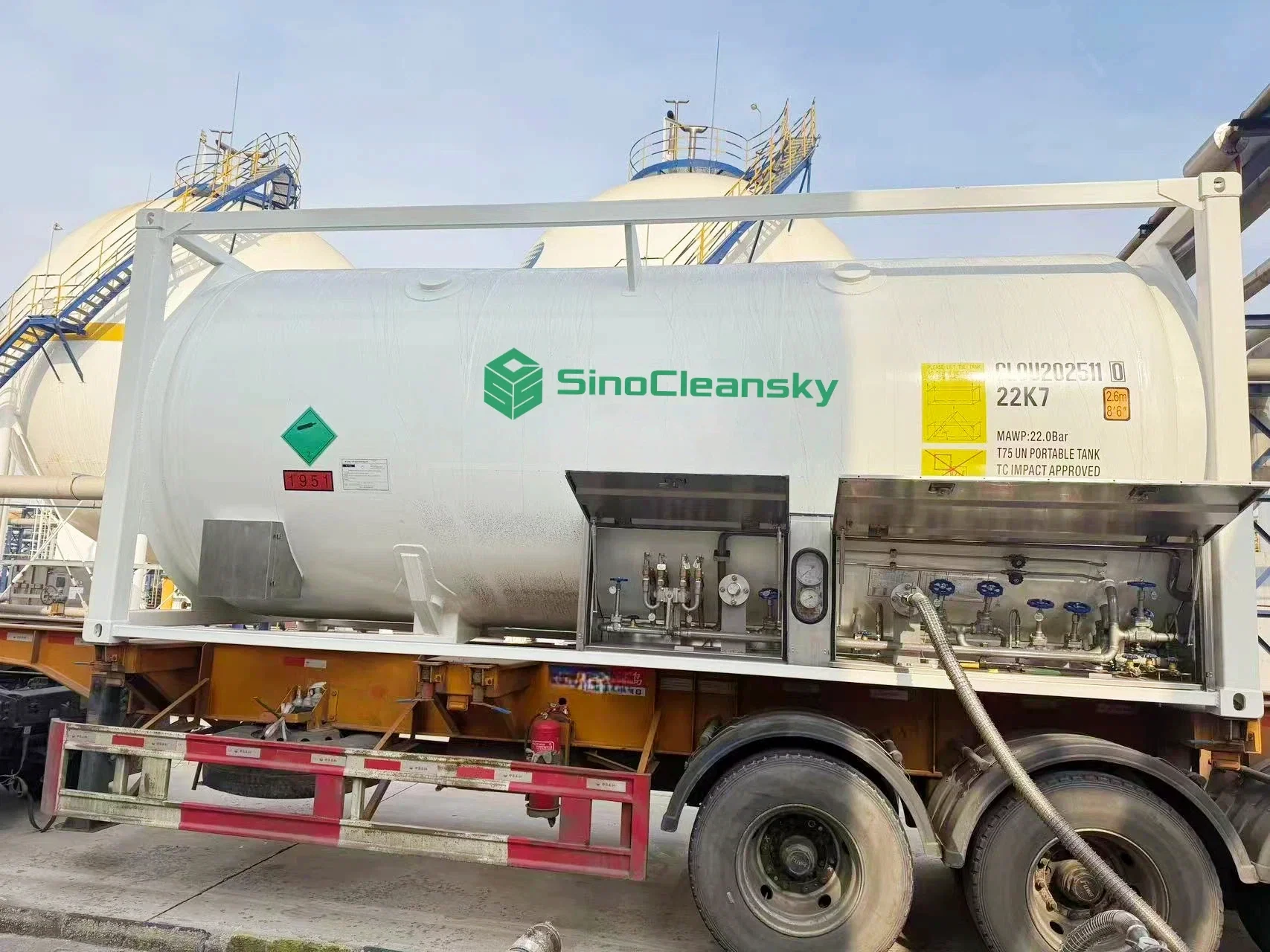
SinoCleansky’s liquid Argon (LAr) package bundles a vacuum-insulated خزان ISO with competitively-priced Chinese liquid Argon filling — shipped with zero evaporation loss and ready to use on arrival at the destination port.
High-pressure steel cylinders package also available according to customers’ request.
- The ISO Tank’s high-vacuum multi-layer insulation keeps LAr with zero evaporation loss across weeks of ocean transit — what arrives equals what was filled, so the customer never pays for lost gas.
- Competitively-priced liquid Argon — combined with zero transit loss — makes the landed cost clearly lower than sourcing locally at the destination
- SinoCleansky has extensive experience shipping hazardous goods in tank containers, with multiple successful export cases and full ADR / IMDG / RID compliance.
- Filling is billed by actual mass (per ton) — transparent cost, no paying for empty capacity or waste.
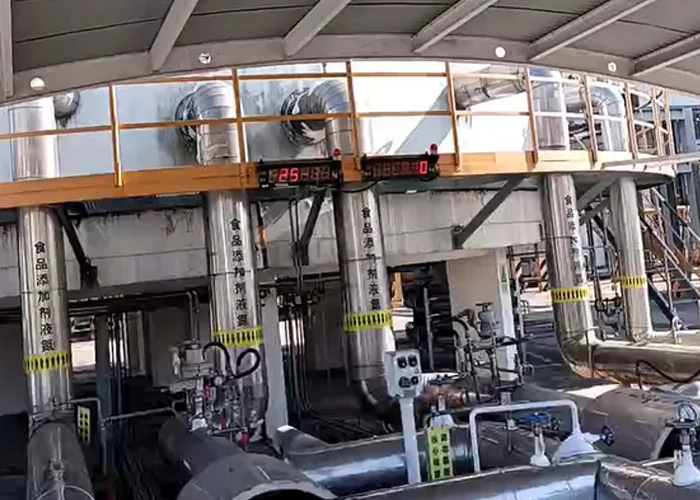
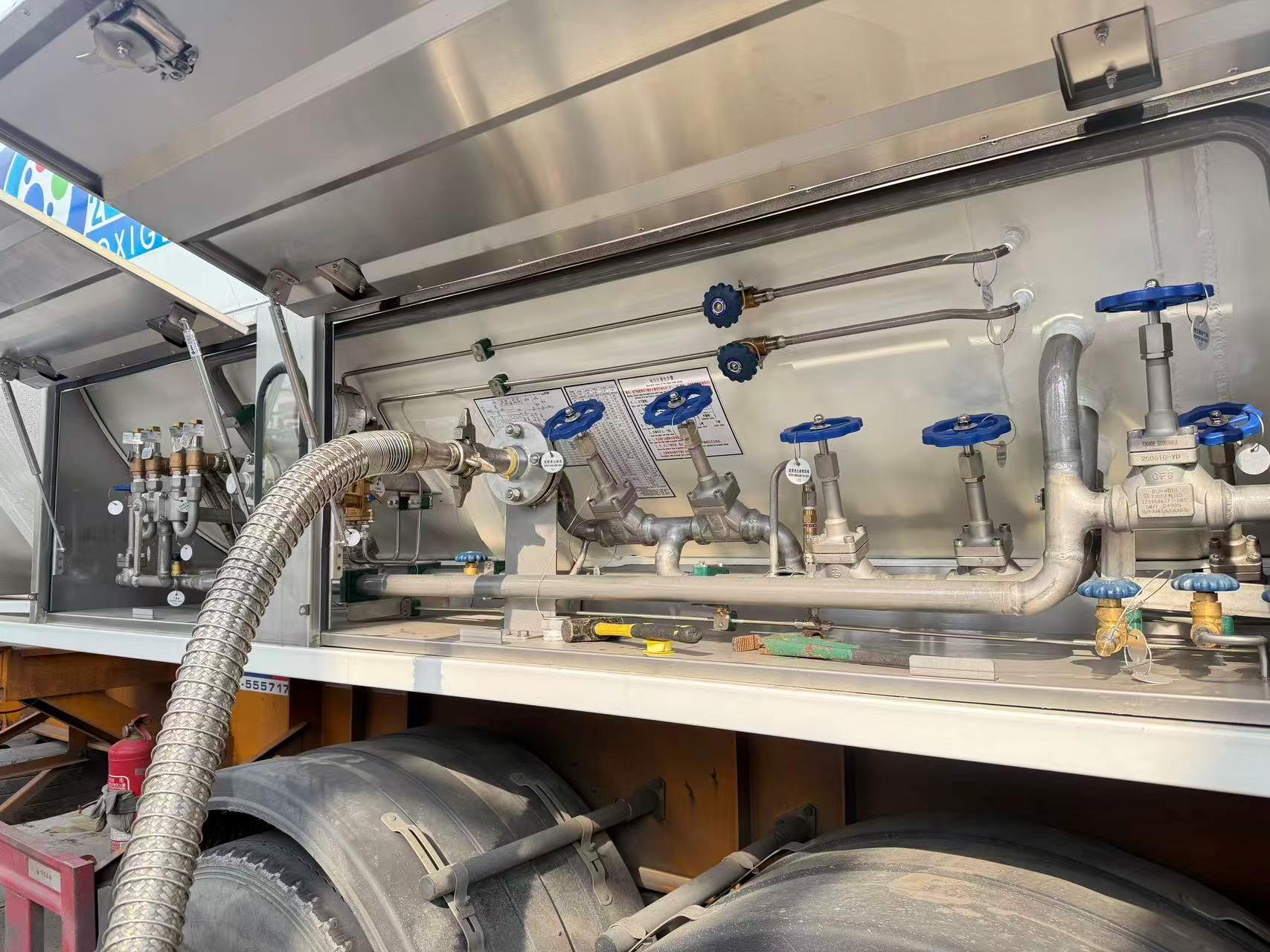
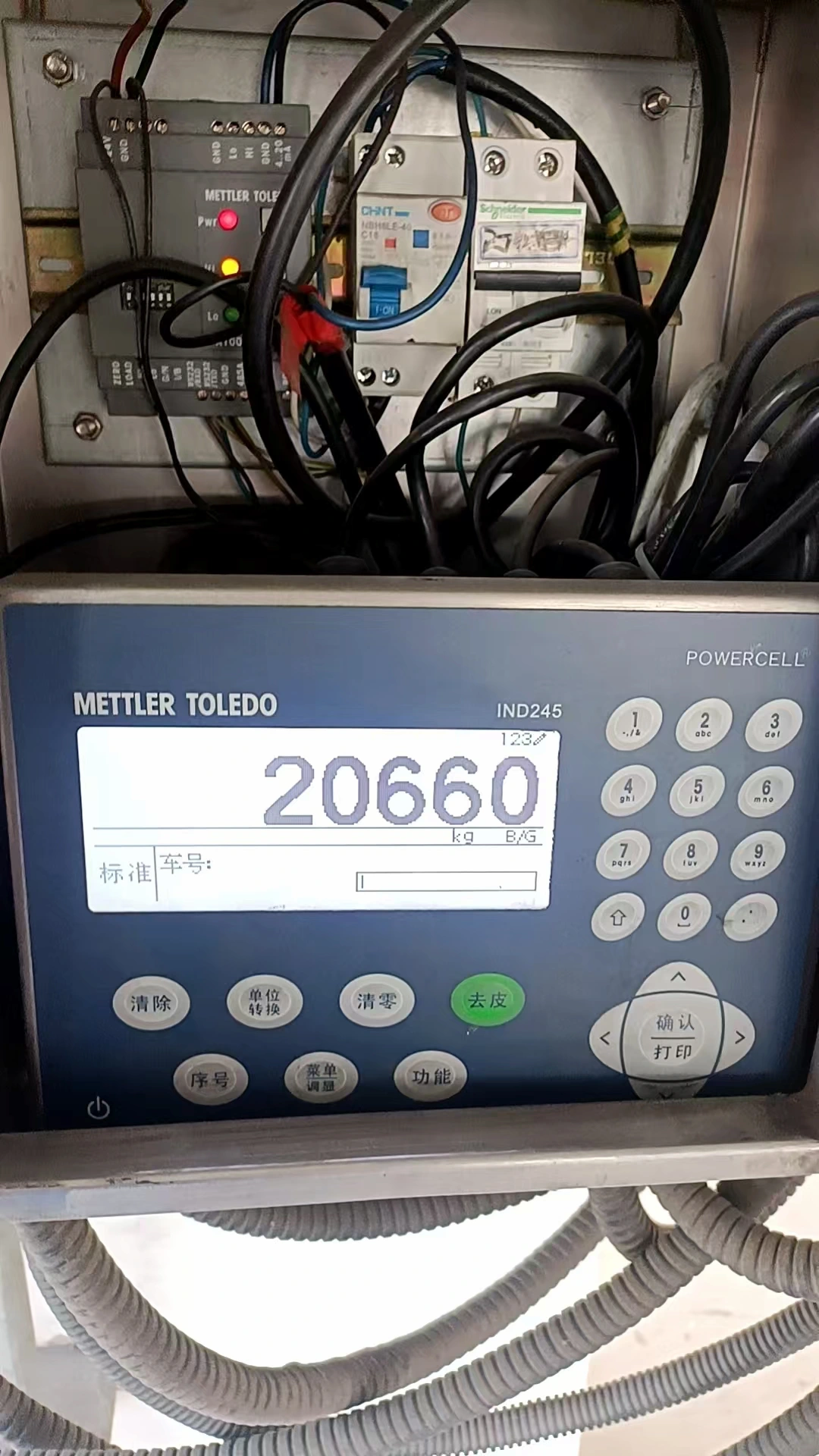
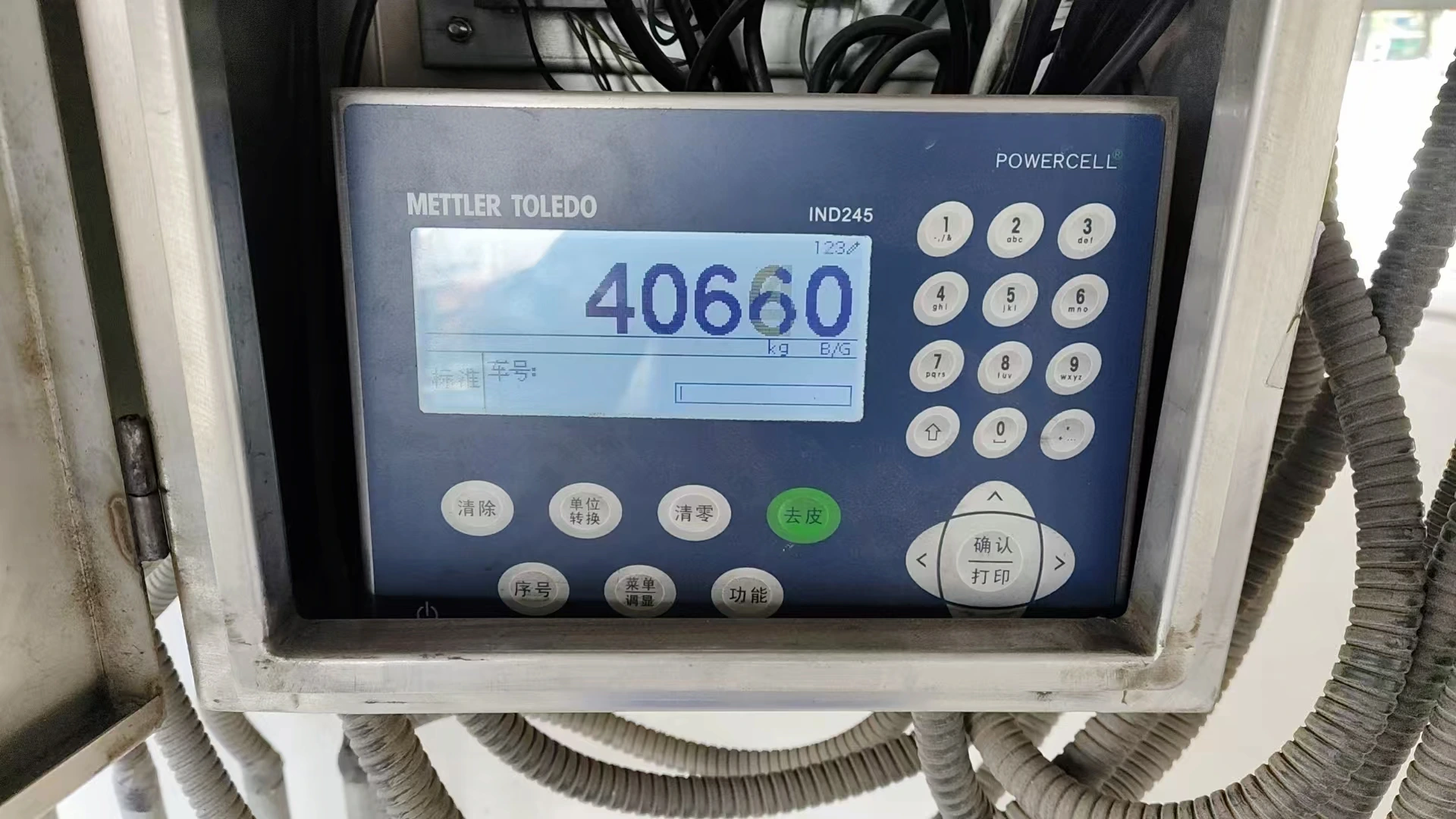
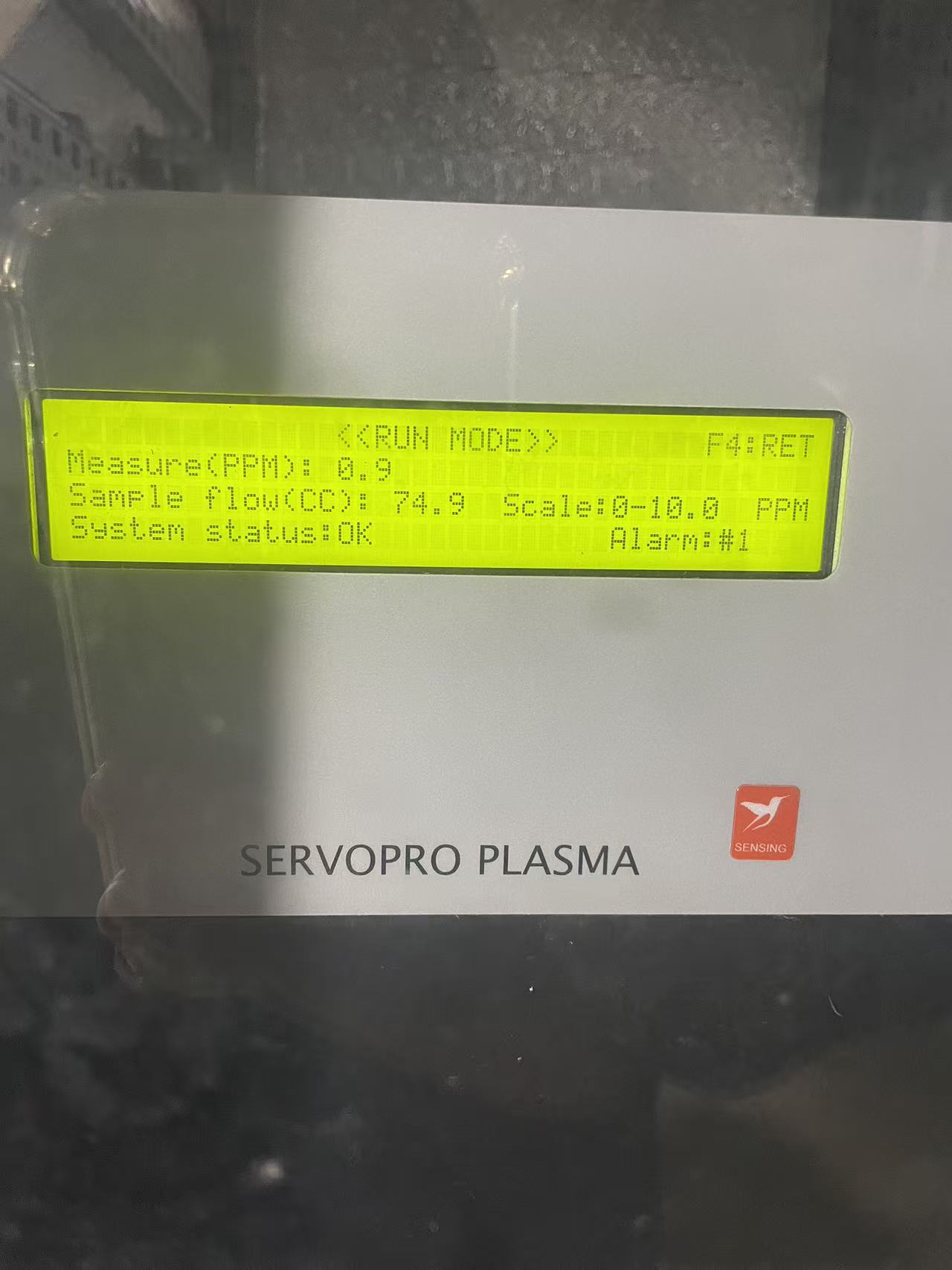
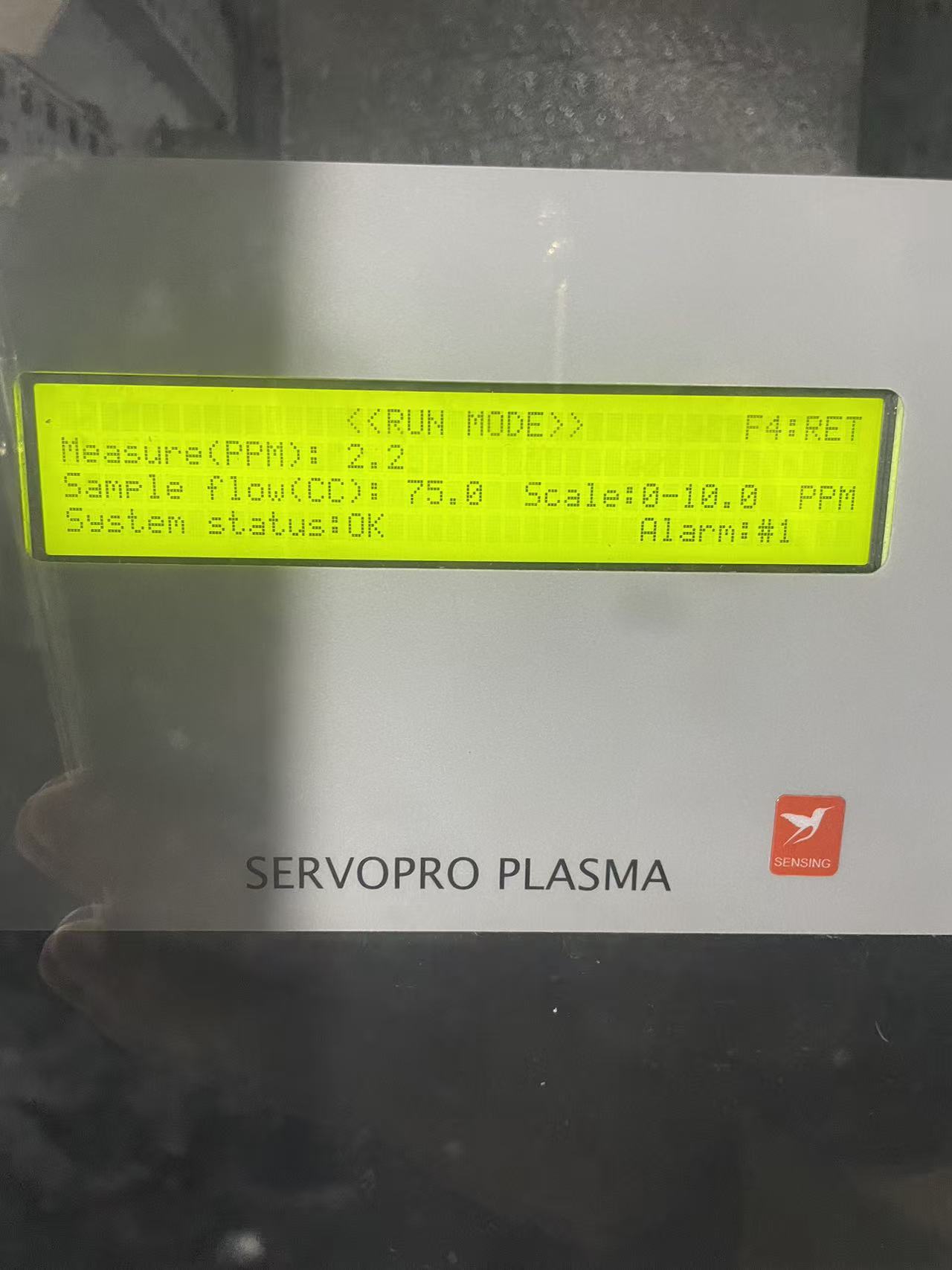
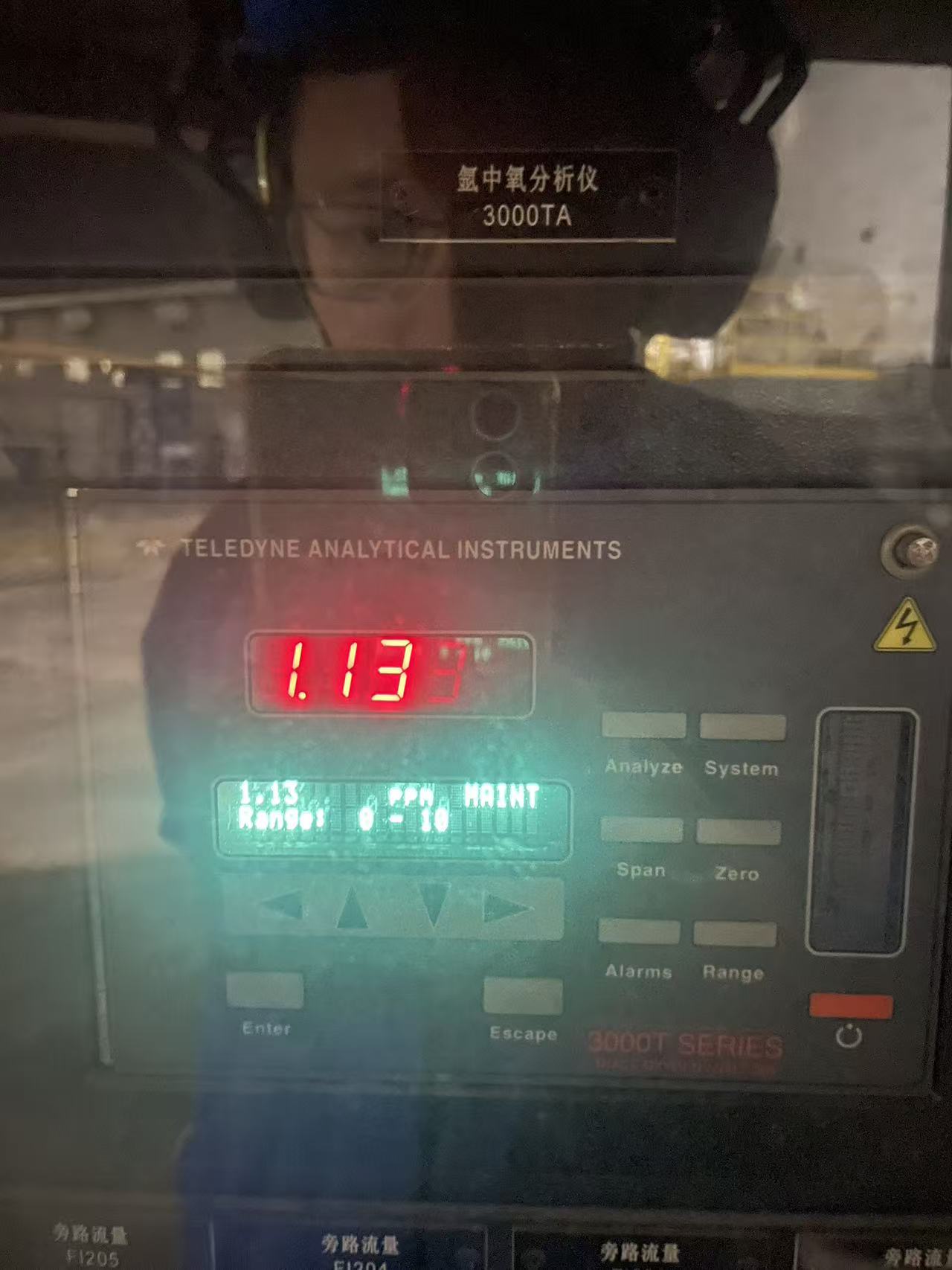
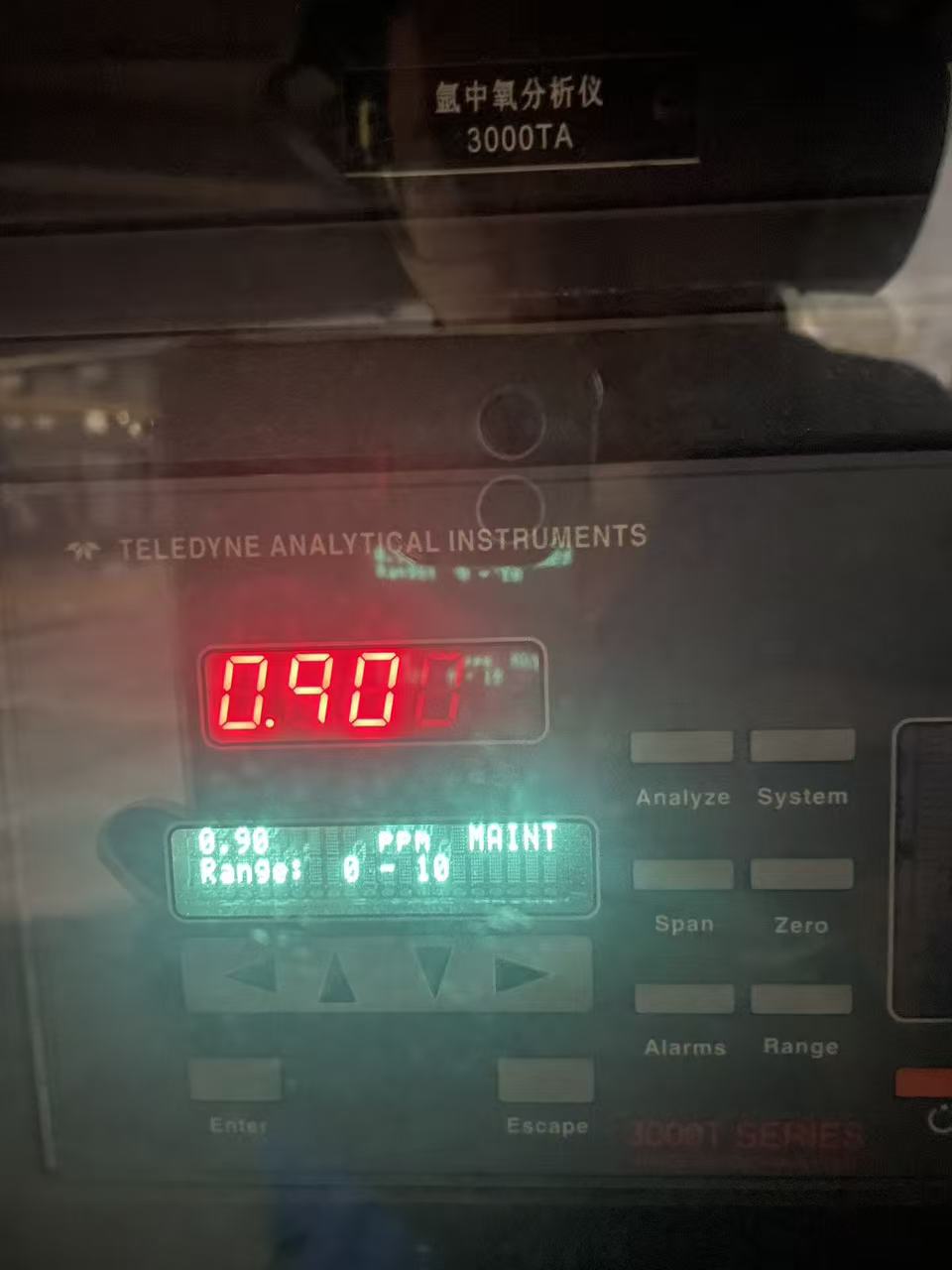
To ensure gas purity, our filling operation followed standard process: clean, replacement, O2 test (before and after), N2 test (before and after), static, delivery.
المواصفات الفنية
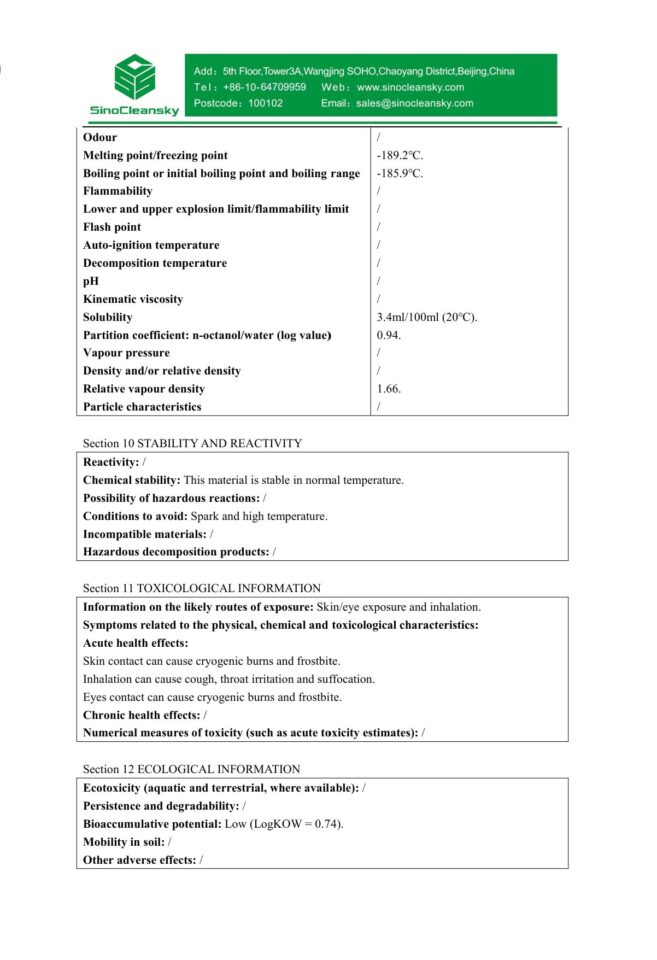
2 times replacement and test make sure filling gas keep 5N, 6N purity. All test report and quality report will provided with goods.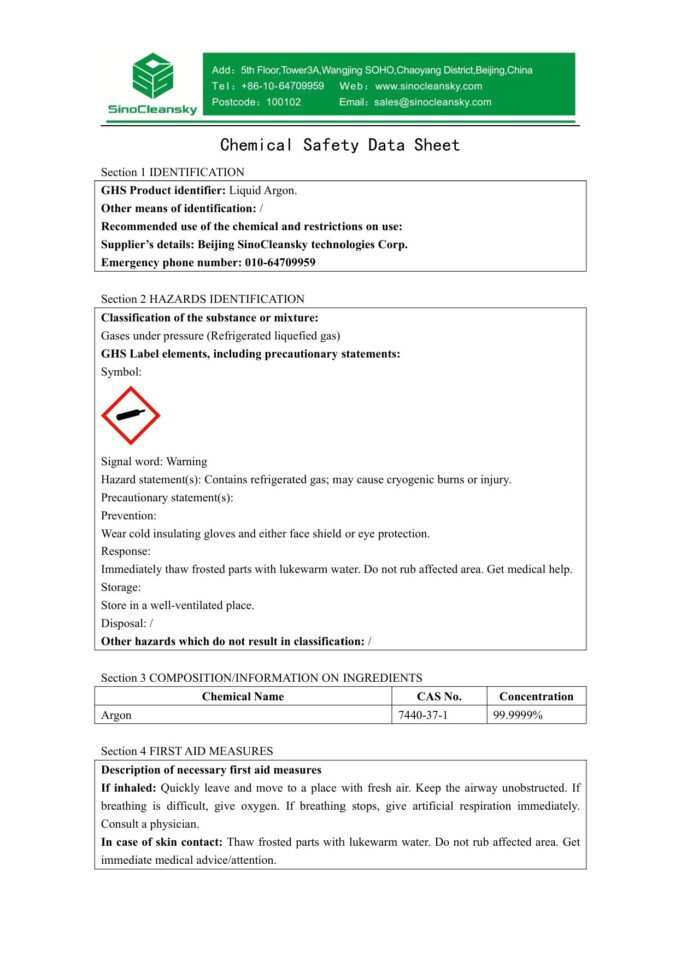
التغليف والشحن
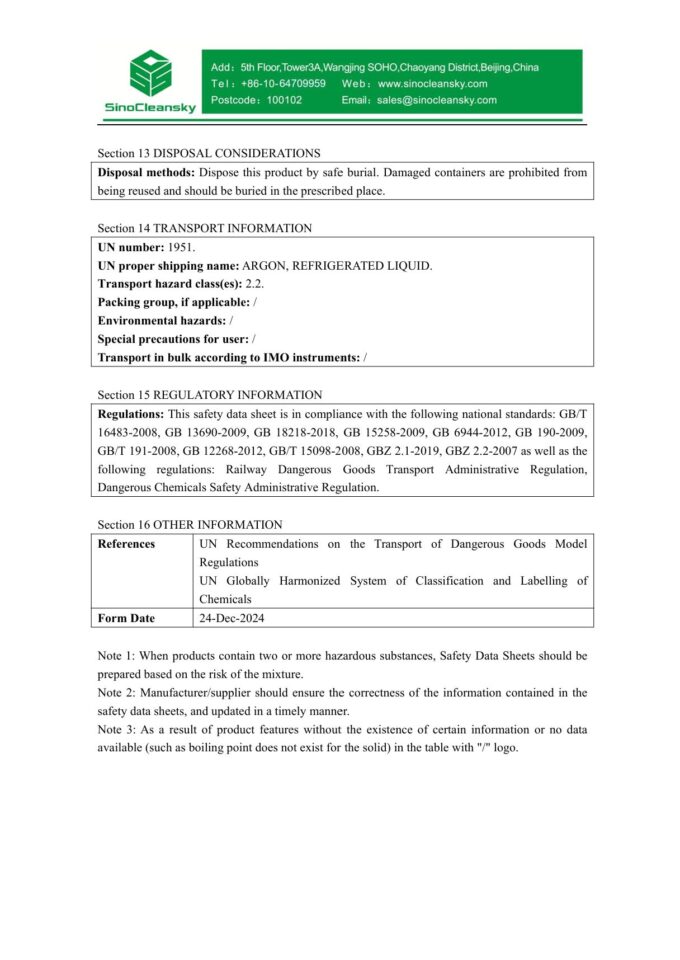
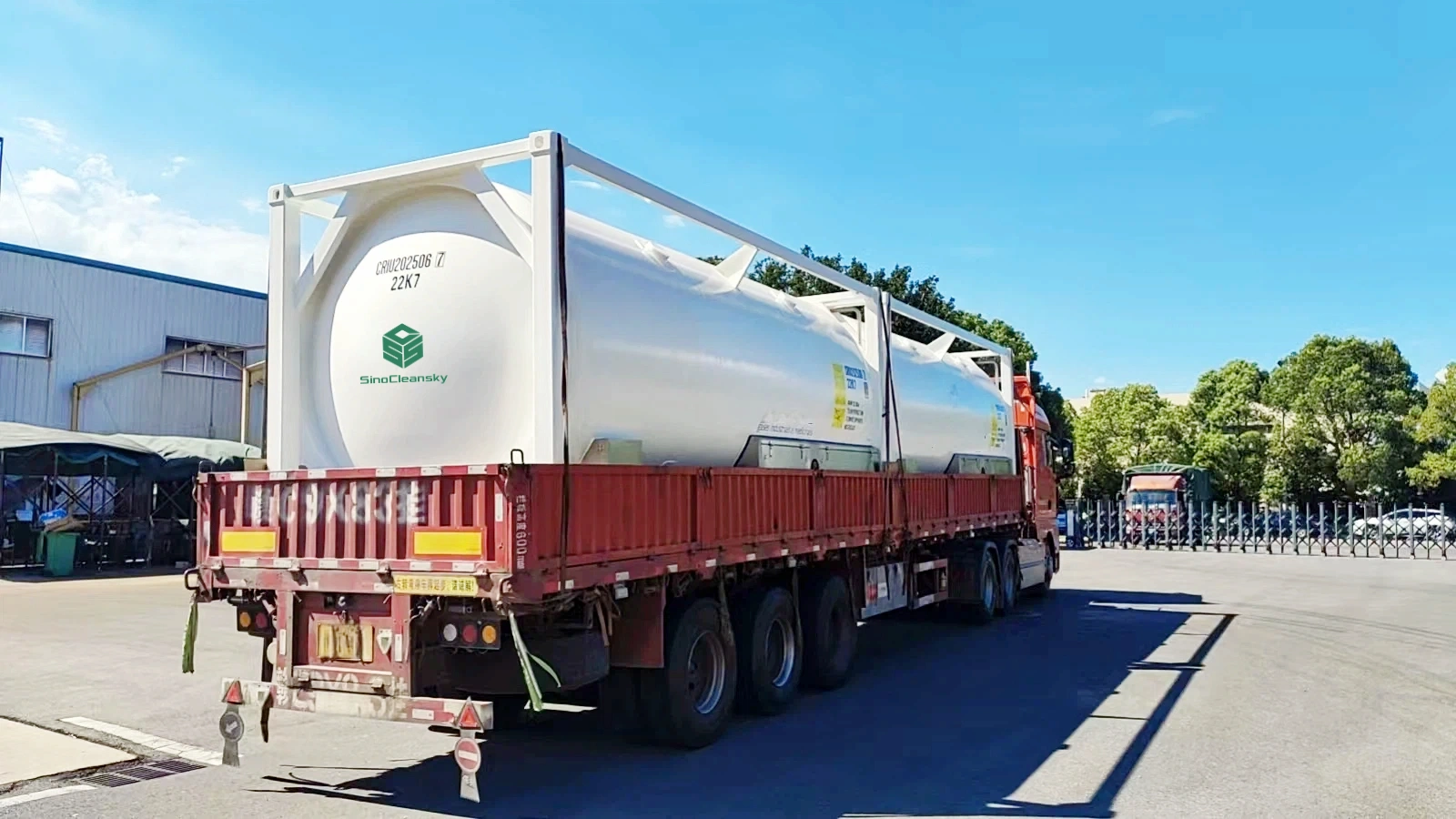
ISO tanks are shipped as a complete unit containing pre-charged liquid Argon (UN 1951 — ARGON, REFRIGERATED LIQUID Class 2.2), fully compliant with hazardous materials regulations throughout transit, primarily by sea, with connections to land and rail transport.
Handling notes:
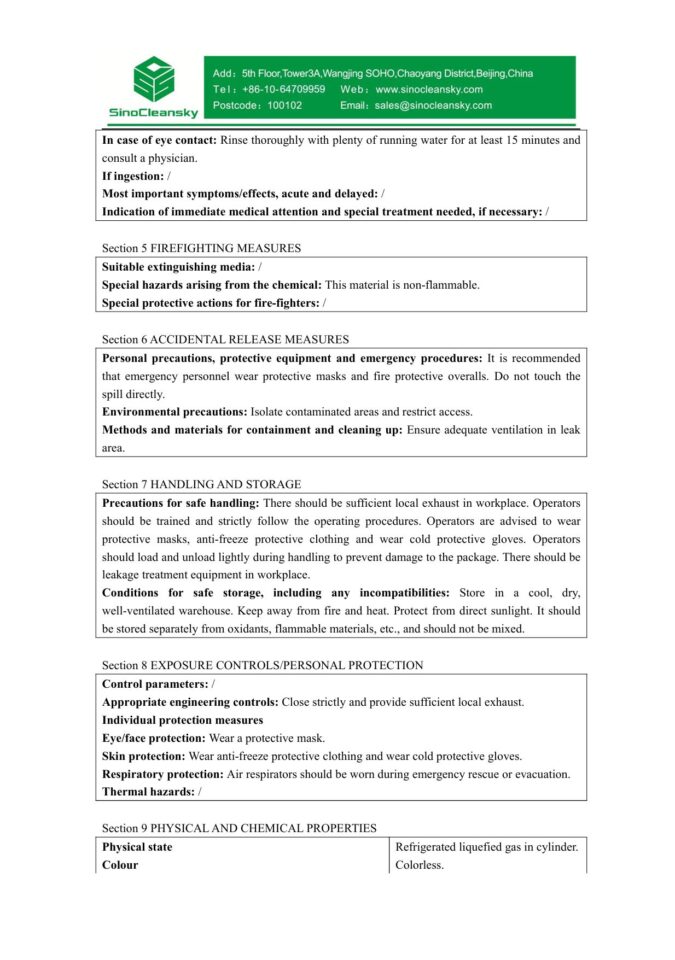
- Dangerous Goods Declaration Form (DGD);
- SDS/MSDS;
- Tank body certificate + filling certificate (filling volume, pressure, date);
- The box is correctly labeled with the 2.2 category sign.
التقارير والشهادات
الأسئلة الشائعة
Liquid argon must be carried in a T75 cryogenic portable tank. Argon only liquefies at about −186 °C at atmospheric pressure, so the vessel needs a high-vacuum multi-layer insulated (MLI) inner shell rated for roughly −196 °C service. A standard T11 stainless chemical tank has no cryogenic rating and would suffer brittle fracture, while a T50 tank is built for pressurized non-refrigerated gases — not deep-cold liquids. The T75 tank is engineered to the IMDG Code requirements for refrigerated liquefied gases, with a dedicated pressure-build-up circuit, vacuum insulation, and relief devices to manage boil-off gas (BOG).
A T75 cryogenic portable tank is a 20-ft ISO-frame vessel with a high-vacuum multi-layer insulated inner shell (typically 304 stainless steel) designed for around −196 °C operation. Working pressure normally ranges 0.75–1.8 MPa depending on model and capacity (common sizes 18–22 m³). It is equipped with a pressure-build-up circuit and relief valves to control BOG, and is built to IMDG portable-tank construction rules with class-society approvals (BV / LR / CCS, etc.), making it fully intermodal (sea–road–rail) compatible. Exact capacity, pressure, and tare weight follow the individual unit’s tank plate and design certificate.
Before loading, verify the tank’s valid periodic inspection certificate (5-year) and recent intermediate inspection (2.5-year), confirm cleanliness and previous cargo history, and confirm the filling ratio — cryogenic liquids are filled to leave controlled ullage for thermal expansion (typically up to ~90–95% by volume per the applicable IMDG TP method). During transport, keep the tank secured and upright, protect relief devices from damage, monitor pressure buildup from BOG, and ensure adequate ventilation — argon is an asphyxiant that displaces oxygen in confined spaces. Required documents include the DG declaration (UN 1951, Class 2.2), SDS, tank certificate, and filling certificate.